It is all a bit of compromise anyway Brian. Measuring from the nut is the easiest option and fret calculators are usually multi-instrumental. There are a lot of instruments made where the freboard is fretted before it is attached to the instrument, such as guitars, so there is no actual bridge to measure from when the slots are cut and frets installed.
Even so, it still seems to me, that the most accurate way to set fret positions, would be from the bridge, as the length of the vibrating string determines the frequency of sound produced and whether a note played from a set fret position is in tune or not.
That's not the whole story Brian, you have missed out the string tension, which, as Ken says, gives rise to intonation difficulties. A thicker string or one tuned to a higher pitchor one set to a higher action (ie closer to the bridge) will pull sharper than a thinner string or one tuned to a lower pitch or one set to a nower action (ie further from the bridge). So, ideally, if youwere measuring froma straightbridge rather than the nutyou would need to compensate each fret. It is simpler to put in straight frets and compensate the bridge.
Even so, fretting is always going to be a compromise because it is done in equal temperamentbecause frets are sounded against each other when playing chords (every fret can become a new nut which is played against other new nuts - so each string then has a different scale length). If you were building for noter drone where just one string (or unison tuned melody pair) are fretted and played against the pure root and perfect 5th drones then you would be best off not using an equal temperament fret calculator and not measuring from the nut, or bridge for that matter, but centring your fret layout from the true 3rd fret root note position forthe melody string and the string gauge,pitch and action you will use - then you could workwith a more natural scale like quarter comma meantone, which would be more 'accurate' in this situation than equal temperament. Or, more simply, just set the frets by ear  If you are going to play chords then you can't really set the frets by ear, you need an equal temperament pattern where every fret is just a little 'off' from the natural scale. Of course, according to an electronic tuner every equal temperament fret is 'true' because the tuners are also in equal temperament
  Natural notes themselves are not consistent, for examplethe 'B' note in the scale of A major is actually different than the 'B' note in the scale of G major by about 10 cents. A fiddle player (no frets) will naturally adjust the position of notes for each scale they play - a piano player or guitarist or dulcimer player cannot, so we use equal temperament.
Like I said - it is all a compromise!!!!!
I bet you wish you'd never asked now
Robin

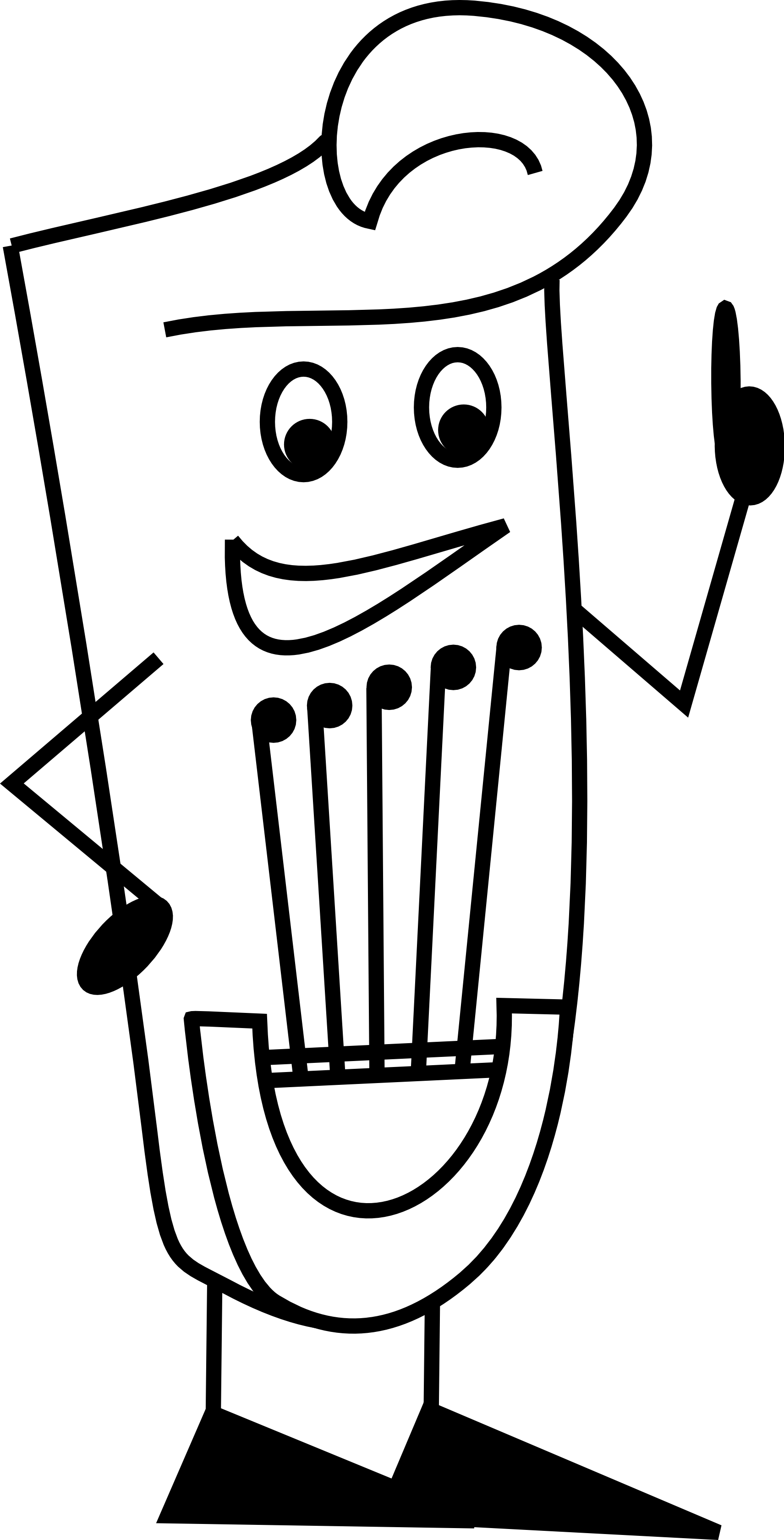 Today I finished a free course / method for the five string kantele as an accompaniment instrument (that is: playing chords). This is the little kantele I designed. It appears from time to time in the book next to the exercises...